 Skip to content

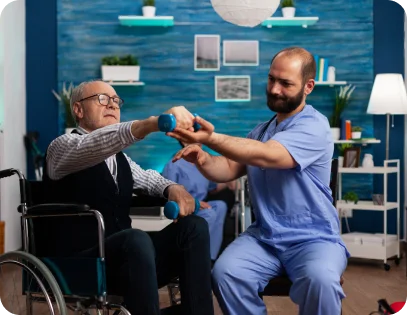
Memory Care • Home Health • Alzheimer’s & Dementia
And why a Certified Nursing Assistant makes all the difference in keeping them safe, dignified, and truly cared for.
6.9M
Americans living with
Alzheimer’s disease today
1 in 3
Seniors will die with Alzheimer’s
or another dementia
$360B
Annual cost of dementia care
across the United States
There is a moment every family dreads — the moment you notice that the person you love most is beginning to forget.
Maybe it starts with small things: misplaced keys, a repeated question, a name they should know. Then it grows. And suddenly, caring for someone you’ve loved your entire life becomes one of the most emotionally and physically demanding challenges imaginable.
For families navigating this journey, the question that comes up time and again is: What is the best environment for my loved one? And who should be caring for them?
The answer to the first question is often simpler than families expect: home. And the answer to the second is equally clear: a Certified Nursing Assistant (CNA) with specialized training in memory care.
At PremiumCare LLC, every caregiver we place in a home is a CNA — not a basic aide, not an untrained companion. A Certified Nursing Assistant with the education and skill set to provide safe, compassionate, medically-informed care for your most vulnerable loved ones.
“The goal of in-home dementia care is not just safety — it is dignity, familiarity, and the preservation of who your loved one still is.”

UNDERSTANDING THE CONDITION
What Dementia and Alzheimer’s Really Mean for Daily Life
Dementia is not a single disease — it is an umbrella term for a group of symptoms affecting memory, thinking, and social abilities severely enough to interfere with daily life. Alzheimer’s disease accounts for 60–80% of all dementia cases.
Alzheimer’s is progressive and relentless. It moves from mild forgetfulness in early stages, to significant confusion and behavioral changes in the middle stages, to complete dependence in the late stages — affecting every aspect of who a person is and how they move through the world.
The disease does not just affect the person diagnosed. It transforms entire families. Spouses become full-time caregivers. Adult children rearrange their lives. The weight grows heavier with every passing month.
THE CASE FOR HOME
5 Powerful Reasons Home Is the Right Place for Your Loved One
01
Familiarity Reduces Confusion and Anxiety
For a person with dementia, familiar environments are anchors. The layout of a home they’ve lived in for years, the smell of their kitchen, the view from their window — these sensory cues help orient a confused mind. Moving to a facility can dramatically accelerate cognitive decline.
02
Personalized Routines Improve Stability
Dementia patients thrive on routine. In home care, routines are built entirely around the individual — their lifelong habits, meal preferences, sleep patterns, and daily rhythms. Institutional schedules are designed for groups, not individuals.
03
One-on-One Attention That Facilities Can’t Match
In a memory care facility, caregivers manage multiple residents simultaneously. At home, your CNA is focused entirely on your loved one — monitoring, engaging, and responding in real time. That level of individual attention is simply not achievable in any group setting.
04
Emotional Connection and Dignity
Being cared for in your own home preserves something profound: dignity. Dementia takes so much from a person. Being surrounded by their belongings, their memories, their family’s presence — it reinforces identity and humanity in a way no facility can replicate.
05
Family Involvement Remains Central
Home care keeps families in the room — literally. Family members can participate in care, observe changes, ask questions, and maintain the bonds that matter most. At home, they remain partners in care rather than occasional visitors.
06
Familiar surroundings are not just a comfort — they are a clinical tool.
Home is therapeutic. The environment itself becomes part of the care plan.
The Reality
What In-Home Dementia Care Actually Involves
We want to be honest with families: in-home dementia care is not simple. It requires patience, skill, consistency, and a deep understanding of how the disease behaves across its stages.
Dementia patients can experience:
- Wandering & getting lost
- Sundowning & agitation
- Aggression & combative behavior
- Swallowing difficulties
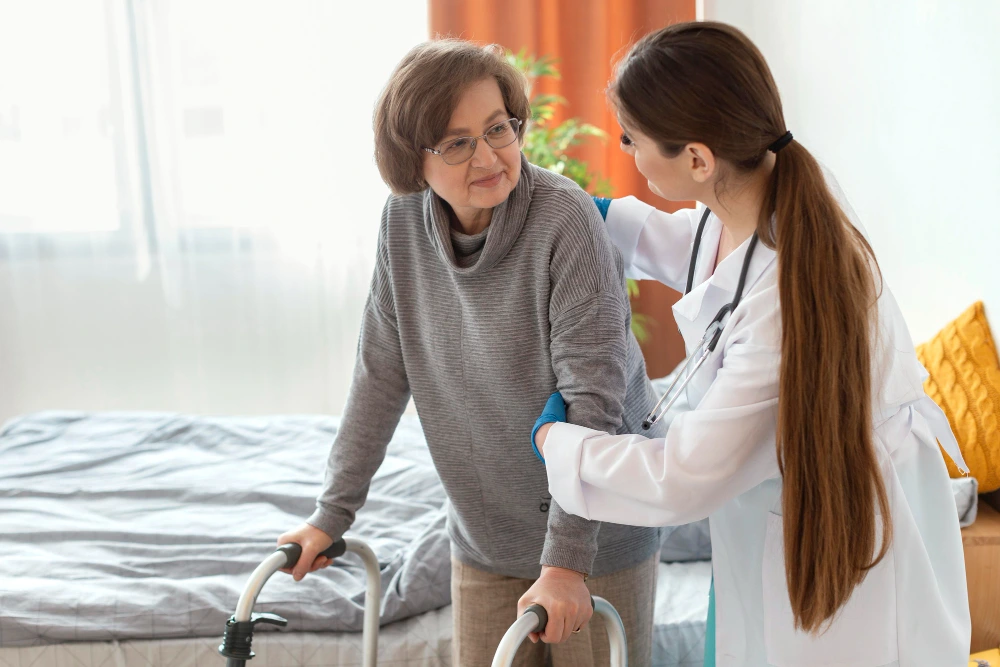
- High fall risk
- Hallucinations & paranoia
- Incontinence & hygiene needs
- Medication refusal
⚠️
Why Untrained Caregivers Are Not Enough
Many agencies place caregivers with only a few days of orientation training. They may be kind — but they are not trained to recognize medical emergencies, manage behavioral episodes, or prevent aspiration during meals. The gap between a basic caregiver and a CNA is not a technicality. It is a matter of safety.
The CNA Advantage
8 Critical Skills Every PremiumCare CNA Brings to Dementia Care
A Certified Nursing Assistant completes a state-approved program — the same foundational training used to prepare caregivers in hospitals and skilled nursing facilities. For dementia patients, this training is not a bonus. It is a necessity.
Early Recognition of Medical Changes
Dementia patients can’t always say something is wrong. CNAs are trained to observe subtle changes in behavior, skin color, breathing, and energy levels that may signal a UTI, stroke, or dehydration — before a crisis occurs. Early recognition saves lives.
Dementia-Specific Communication
CNAs are trained in validation therapy and redirection techniques. They know how to de-escalate agitation without confrontation, reorient a confused patient gently, and maintain connection even when words begin to fail.
Safe Mobility & Fall Prevention
Falls are the leading cause of fatal injuries in seniors — and dementia patients are at dramatically elevated risk. CNAs are trained in proper body mechanics, transfer techniques, and environmental adaptation to prevent falls before they happen.
Infection Control & Hygiene Care
Dementia patients often resist personal care, creating serious infection risks. CNAs are trained in clinical infection control protocols and in the techniques to provide dignified hygiene care — even for a resistant patient — without causing distress.
Aspiration & Swallowing Safety
Aspiration pneumonia is one of the leading causes of death in late-stage Alzheimer’s patients. CNAs identify swallowing difficulties, modify food textures, and position patients safely during meals — responding immediately if a choking episode occurs.
Behavioral Episode Management
Sundowning, hallucinations, and sudden aggression are among the most frightening aspects of dementia. CNAs use evidence-based de-escalation techniques to reduce harm to both patient and caregiver, and know when to escalate to the supervising RN.
Medication Awareness & Compliance
CNAs monitor medication compliance, document missed doses, observe for side effects and adverse reactions, and communicate concerns to the supervising RN — creating a vital safety net for patients who may refuse or forget their medications.
Clinical Documentation & Reporting
Every interaction is an opportunity to gather clinical data. CNAs document changes in behavior, appetite, sleep, and mobility — reporting to the supervising RN, who communicates with the patient’s physician. This creates a continuous loop of oversight no basic caregiver can provide.
“A CNA in the home does not replace the family. They restore it — by lifting the clinical burden so you can simply be present for the person you love.”
For the Whole Family
You Cannot Pour From an Empty Cup
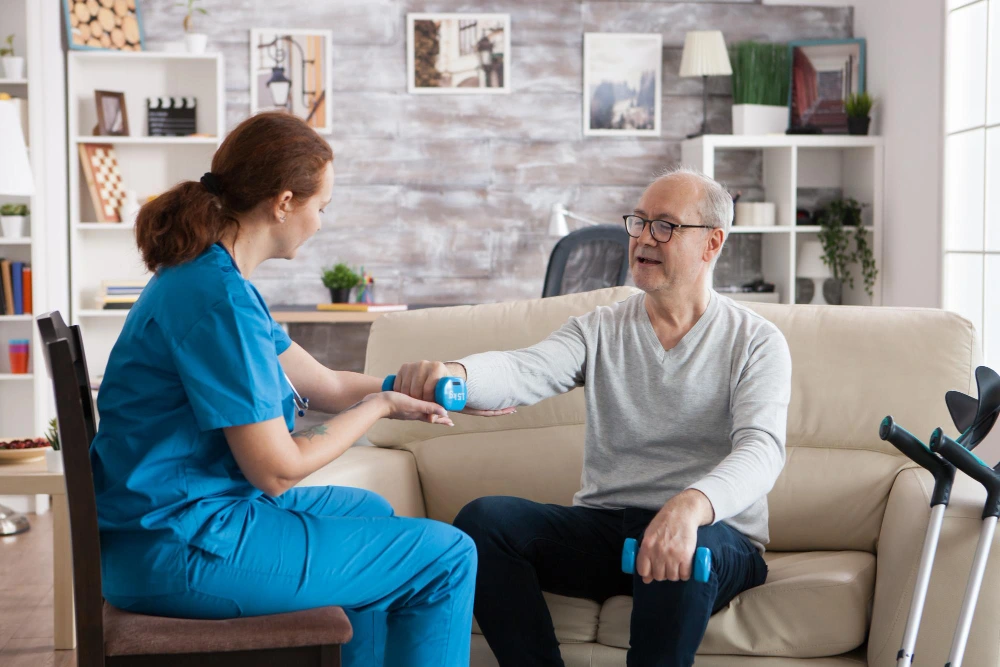
One of the most important — and most overlooked — benefits of professional CNA care is what it does for the rest of the family.
Caregiver burnout is real. Studies show that family members who serve as primary caregivers for dementia patients experience higher rates of depression, anxiety, immune dysfunction, and even cognitive decline of their own. The physical and emotional weight is simply unsustainable without support.
When a CNA is in the home, families get something priceless: relief. They can sleep through the night. They can go to work. They can be a spouse, a child, a sibling — not just a caregiver. They can be present in a relationship instead of consumed by it.
And perhaps most importantly — they can trust that their loved one is in safe, skilled, compassionate hands.
Why PremiumCare
What Makes Us Genuinely Different
At PremiumCare LLC, we made a decision early on that sets us apart from virtually every other home care agency in our area: we do not place uncertified caregivers in homes. Period.
Every PremiumCare caregiver is a Certified Nursing Assistant who completed a state-approved clinical training program with real, hands-on experience in medical care environments. Our CNAs are supervised by a licensed Registered Nurse — so there is always a clinical eye on your loved one’s care.
“For families managing dementia or Alzheimer’s, this is not a nice-to-have. It is the difference between care that is merely kind and care that is clinically safe.”
We serve families throughout Riverside, CA and surrounding communities. We currently accept private pay and work with the AVCC Veterans Benefit program — which can cover up to $43,788/year for qualifying veterans and their spouses.
🏥 Hospital-Level CNA Training
Every caregiver completes the same certification program used in hospitals and skilled nursing facilities.
👩⚕️ RN-Supervised Care Plans
Every caregiver completes the same certification program used in hospitals and skilled nursing facilities.
🎖️ AVCC Veterans Benefit
Qualifying veterans and spouses may receive up to $43,788/year for home care through our AVCC partnership program.
✅ Free Consultation — No Pressure
We come to you, listen to your family’s story, and build a personalized care plan. No sales pitch. No obligation.
❤️ Currently Serving Clients
We are an actively operating agency — not a startup. Real families. Real caregivers. Real results, right now.
Free Consultation — No Obligation
Ready to Talk About Care for Your Loved One?
Our Care Coordinators will listen to your family’s story, assess your loved one’s needs, and create a personalized care plan — built around them, not a template.
3610 Central Ave Suite 400, Riverside CA 92506
✉ info@premiumcarehomehealth.com
